Many people know acupuncture as a treatment that uses thin needles placed at specific points on the body. But acupuncture is part of a much broader system of care known as Traditional Chinese Medicine.
Acupuncture treatment can involve much more than needles. Depending on a person’s health history, symptoms, lifestyle, and goals, an acupuncturist may use acupuncture along with nutritional guidance, cupping, Gua Sha, moxibustion, acupressure, or other traditional techniques.
If you are considering acupuncture in Ellicott City, understanding what a typical treatment approach may include can help you know what to expect.
How Does Acupuncture Treatment Begin?
Traditional Chinese Medicine begins with a detailed assessment. Before treatment, an acupuncturist takes time to understand the patient’s health history, symptoms, lifestyle, and individual goals.
The practitioner may ask questions about:
• Digestion and appetite
• Diet and nutrition
• Sleep patterns
• Bowel movements and urination
• Pain and other symptoms
• Daily lifestyle
• Stress levels
• Overall health concerns
The practitioner may also observe factors such as posture, skin tone, voice, and general appearance.
A pulse and tongue assessment may also be part of the evaluation. Depending on the patient’s needs, the practitioner may perform additional assessments, including blood pressure measurements and physical palpation.
This information helps the practitioner develop an individualized treatment approach.
What Can Be Included in Acupuncture Treatment?
Acupuncture treatment does not always involve needles alone. Depending on the individual’s needs and treatment plan, other traditional techniques may be used.
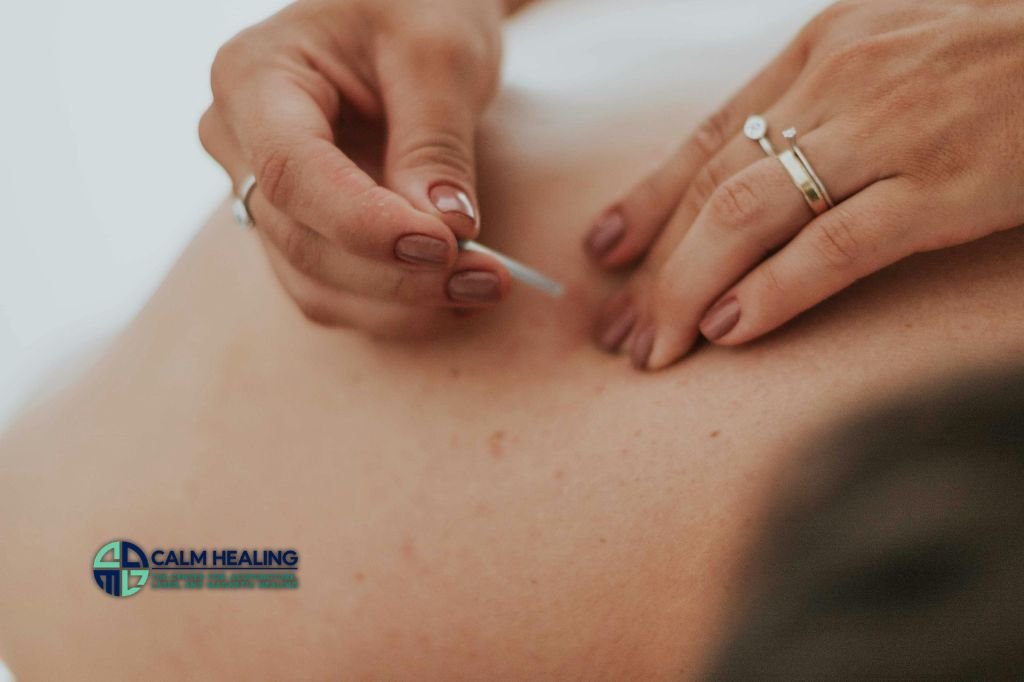
Acupuncture Needles
Acupuncture needles are extremely thin, sterile, and designed for safe use by trained professionals.
The needles are placed at specific acupuncture points. Some points may be located near the area being treated, while others may be located elsewhere on the body.
Needles are commonly left in place for about 20 to 40 minutes. Many people find the experience calm and relaxing.
Chinese Herbal Formulas
Traditional Chinese Medicine may also include herbal formulas as part of an individualized care plan.
Herbal formulas can contain combinations of herbs selected according to the practitioner’s assessment and the individual’s needs. Traditional formulations are designed with balance in mind rather than relying on a single herb alone.
When herbal medicine is recommended, it should be discussed with a qualified practitioner, especially if you take medications or have other health conditions.
Nutritional Guidance
Nutrition can also be an important part of Traditional Chinese Medicine.
The traditional approach considers food as an important part of overall wellness and may provide dietary recommendations based on an individual’s constitution and health goals.
For example, certain foods may be recommended or limited based on the practitioner’s assessment. Ginger and other foods may be suggested as part of an individualized dietary approach.
Nutrition recommendations should always be appropriate for the individual’s overall health and dietary needs.
Cupping
Cupping is another traditional technique that may be used alongside acupuncture.
During cupping, specially designed cups are placed on the skin to create suction. This can leave temporary circular marks on the skin that may appear purple or red.
Cupping is commonly used as part of traditional treatment approaches for muscle tension, stiffness, and other concerns.
The marks usually fade with time.
Gua Sha
Gua Sha uses a smooth, flat-edged tool that is gently moved across the skin.
In Traditional Chinese Medicine, Gua Sha has traditionally been used to address areas of discomfort and stiffness. It may also be used as part of facial and skin-focused treatments.
Because Gua Sha involves pressure and scraping motions on the skin, it should be performed appropriately by someone trained in the technique.
Moxibustion
Moxibustion is a traditional Chinese Medicine technique that uses heated mugwort.
The practitioner may hold the moxa near a specific area of the body to provide gentle warmth. Traditionally, moxibustion has been used for concerns such as menstrual discomfort and chronic pain.
Traditional smoky moxibustion is less commonly used in some modern clinical settings because of the smoke it produces. Smokeless moxa and moxa oil are alternatives that some practitioners may use.
Massage, Tui Na, and Acupressure
Some acupuncture practitioners also incorporate other hands-on techniques into treatment.
Tui Na is a traditional Chinese therapeutic massage technique. Acupressure uses pressure applied to specific points of the body instead of needles.
Whether these techniques are included depends on the practitioner’s training and the patient’s individual treatment plan.
Acupuncture Is More Than Needles
Acupuncture is part of a broader traditional healthcare system that can involve several different techniques.
An individualized treatment plan may include acupuncture along with nutritional guidance, cupping, Gua Sha, moxibustion, acupressure, or other approaches.
The exact treatment depends on the patient’s health history, symptoms, goals, and the practitioner’s assessment.
If you are looking for acupuncture in Ellicott City, a consultation can help you understand which treatment options may be appropriate for your individual needs.