
Back pain can make everyday activities harder. Sitting at a desk, standing for long periods, bending, or getting out of bed may become uncomfortable. If you have ongoing back pain, you may be looking for options that can support your comfort and movement.
Acupuncture may help some people manage back pain, especially chronic lower back pain. Research suggests it can offer benefits, but results vary from person to person. It is not a guaranteed solution and should not replace medical care when needed.
At CALM Healing, the Center for Acupuncture, Laser, and Magnetic Healing, we provide acupuncture services in West Friendship, Maryland. If you are researching acupuncture for back pain in Ellicott City, MD, this guide explains what current research says, what an appointment may involve, and what to consider before starting treatment.
Can Acupuncture Help With Back Pain?
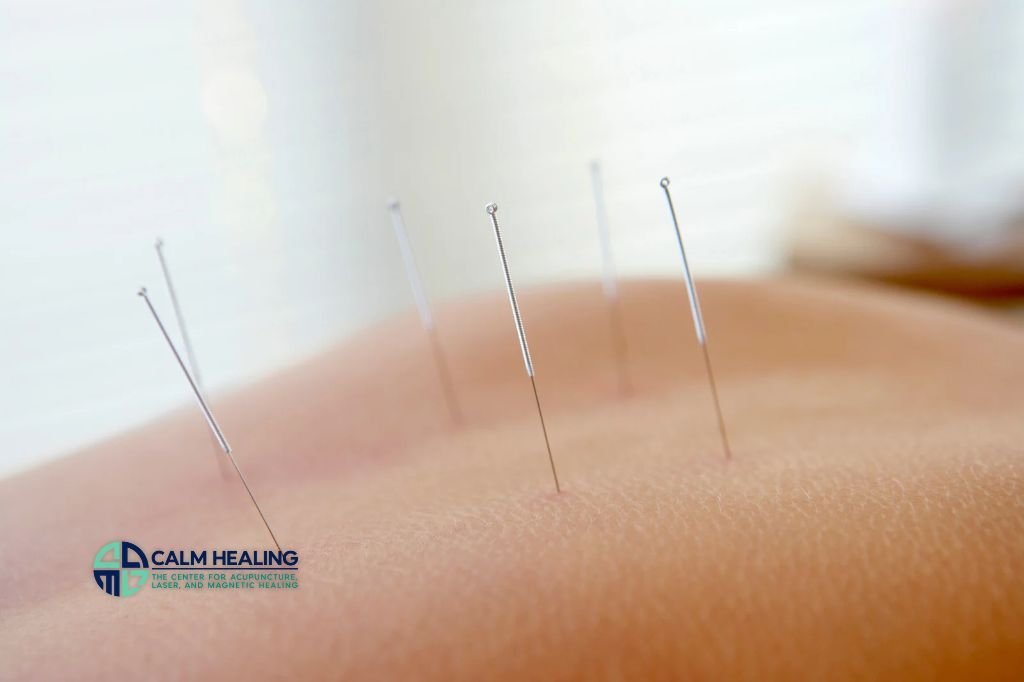
Acupuncture involves placing very thin needles at specific points on the body. It is used as a complementary approach for several types of pain, including lower back pain.
Research suggests acupuncture may help reduce chronic lower back pain for some people. However, the benefit depends on the type of pain, the study being reviewed, and the person receiving treatment.
The National Center for Complementary and Integrative Health (NCCIH) reports that evidence supports acupuncture as a possible option for chronic lower back pain. Evidence for short-term, acute lower back pain is less certain. Benefits can also vary depending on whether acupuncture is compared with no treatment, usual care, or sham acupuncture. Source: NCCIH
Acupuncture is often considered alongside other approaches, such as movement, exercise, and guidance from a qualified healthcare professional.
What Does Research Say About Acupuncture for Back Pain?
Studies have found that acupuncture may provide relief for some people with persistent lower back pain. Clinical guidelines have also included acupuncture among possible non-drug treatment options for chronic low back pain.
For example, the American College of Physicians included acupuncture among the initial non-drug options for chronic lower back pain. The World Health Organization also conditionally recommends needling therapies, including acupuncture, as part of care for chronic primary lower back pain in adults. The WHO recommendation is based on low-certainty evidence.
These recommendations do not mean acupuncture works for everyone. They suggest it may be worth discussing as part of a broader care plan.
Is Acupuncture More Helpful for Chronic or Acute Back Pain?
The distinction matters because back pain can have different causes and durations.
- Chronic back pain: Pain lasting 12 weeks or longer. Research offers more support for acupuncture as an option for chronic lower back pain.
- Acute back pain: Pain that starts recently, often after an activity or strain. Evidence for acupuncture in acute lower back pain is less certain.
- Recurring back pain: Pain that improves and then returns. The right approach depends on the possible cause and how the pain affects daily activities.
If your back pain is new, severe, or worsening, consider a medical assessment before relying on complementary treatment.
How Might Acupuncture Help With Lower Back Pain?
Researchers are still studying exactly how acupuncture affects pain. One possibility is that needle stimulation influences the nervous system and how the body processes pain signals. Treatment experiences and other contextual factors may also affect how people feel.
People may consider acupuncture as a complementary approach to managing ongoing discomfort. However, don’t assume it corrects a spinal problem, repairs an injury, or treats the underlying cause of every type of back pain.
Possible goals of care may include:
- Supporting pain management.
- Helping with comfort during everyday activities.
- Supporting movement when discomfort limits normal routines.
- Exploring a non-drug option as part of a broader care plan.
The results are individual. Your response may differ from someone else’s, and improvement is not guaranteed.
What Types of Back Pain May Lead People to Consider Acupuncture?
People explore acupuncture for different back-related symptoms. Whether it is appropriate depends on the cause of the pain and a person’s overall health.
Lower Back Pain
Lower back pain affects the area between the bottom of the ribs and the pelvis. It can be associated with muscle strain, prolonged sitting, repetitive movements, or other conditions.
Research on acupuncture is most supportive for chronic lower back pain compared with many other back-pain situations. Still, an assessment may be needed to determine what is contributing to your symptoms.
Muscle Tension and Stiffness
Some people experience tightness or stiffness after long periods of sitting, lifting, or repeating the same movements. Acupuncture may be considered as one part of a plan to manage discomfort.
Gentle activity, appropriate exercises, and advice from a healthcare professional may also be useful, depending on the cause.
Back Pain With Sciatica-Like Symptoms
Sciatica describes pain that travels along the sciatic nerve pathway, often from the lower back into the buttock and leg. Some people also experience tingling, numbness, or weakness.
Acupuncture research for general lower back pain should not be taken as proof that it can treat every cause of sciatica or nerve compression. If pain travels down your leg, or you have numbness or weakness, seek appropriate medical assessment.
What Should You Expect During Acupuncture for Back Pain?
If you are considering acupuncture near Ellicott City, MD, it helps to know what a typical appointment may involve. The exact process can vary by practitioner and your individual needs.
1. Discuss Your Symptoms
The practitioner may ask where the pain occurs, when it started, what makes it better or worse, and how it affects your daily routine. Share any relevant health conditions, medicines, previous injuries, and other treatments.
This discussion helps determine whether acupuncture may be suitable or whether you should seek medical assessment first.
2. Review the Treatment Approach
Your practitioner should explain the proposed approach, what to expect, possible risks, and any alternatives. You should feel comfortable asking questions before agreeing to treatment.
3. Receive the Treatment
During acupuncture, a trained practitioner inserts very thin needles at selected points. You may notice a brief pinch, pressure, tingling, or a dull sensation. Experiences vary, and acupuncture should not cause severe or persistent pain.
Needles should be sterile and single-use. Tell the practitioner if you feel unwell or uncomfortable during the session.
4. Discuss Follow-Up and Progress
There is no single number of sessions that is right for everyone with back pain. The treatment plan may depend on your symptoms, health history, response, and goals.
Ask how progress will be reviewed and what to do if your symptoms don’t improve. A sensible plan should not promise a specific result.
How Many Acupuncture Sessions Are Needed for Back Pain?
No universal treatment schedule exists for back pain. Some people explore a short course of acupuncture, while others may discuss a different approach with their practitioner.
The number and frequency of sessions can depend on factors such as:
- How long you have had back pain.
- How severe the symptoms are.
- Your general health and medical history.
- Whether the pain affects walking, sleeping, sitting, or other daily activities.
- How you respond to treatment.
Instead of assuming you need a fixed number of sessions, discuss a reasonable plan and how you’ll measure improvement. If your pain becomes worse or new symptoms appear, seek medical advice instead of simply continuing treatment.
Is Acupuncture Safe for Back Pain?
Acupuncture is generally low risk when a properly trained practitioner uses sterile, single-use needles. However, side effects can occur.
Possible side effects include:
- Temporary soreness.
- Minor bleeding or bruising.
- Feeling lightheaded or faint.
- Discomfort at a needle site.
Serious complications are uncommon but can occur, particularly when acupuncture is performed improperly or non-sterile needles are used.
Before treatment, tell your practitioner if you take blood-thinning medication, have a bleeding disorder, have a weakened immune system, or have another condition that may affect safety. Do not stop prescribed medication without speaking with your prescribing healthcare professional.
When Should You Seek Medical Care for Back Pain?
Acupuncture is not a substitute for urgent medical care. Some back-pain symptoms need prompt assessment.
Seek emergency medical care if you develop back pain with new loss of bladder or bowel control, difficulty passing urine, numbness around the groin or saddle area, or significant or rapidly worsening leg weakness.
Seek medical advice promptly if your back pain follows a serious accident, occurs with fever, is accompanied by unexplained weight loss, or persists or worsens over time. A healthcare professional can help determine whether further examination or testing is needed.
Do not delay an assessment to try acupuncture when warning signs are present.
Looking for Acupuncture for Back Pain in Ellicott City, MD?
If you are exploring complementary options for ongoing back discomfort, choose an approach that fits your symptoms, health history, and care needs.
CALM Healing, the Center for Acupuncture, Laser, and Magnetic Healing, is located in West Friendship, Maryland, and serves people in the surrounding area researching acupuncture and related services. Riz Lakhani, L. Ac., has more than 10 years of experience, and the practice has been established since 2016.
If you live in Ellicott City or elsewhere in Howard County, contact CALM Healing to ask about acupuncture services, discuss your concerns, and see whether an appointment may be appropriate.
Contact CALM Healing
- Address: 13534 Julia Manor Way, West Friendship, MD 21794
- Phone: 410-489-9175
- Office hours: Monday–Friday, 9:00 AM–2:00 PM
- Website: calmhealing.net
Frequently Asked Questions
Does acupuncture work for lower back pain?
Research suggests acupuncture may help some people with chronic lower back pain. Results vary, and the evidence is less certain for acute lower back pain. It is best considered as one possible part of a broader care plan.
How long does acupuncture take to help back pain?
There is no guaranteed timeline. Some people report changes during treatment, while others see little or no improvement. Discuss how progress will be reviewed with your practitioner.
Does acupuncture hurt?
Acupuncture needles are very thin. You may feel a brief pinch, pressure, tingling, or mild soreness. Tell your practitioner if you experience significant pain or feel faint.
Can acupuncture help with sciatica?
Researchers have studied acupuncture for lower back pain, but that does not mean it treats every cause of sciatica. Pain that travels into the leg, especially with numbness or weakness, should be assessed by a healthcare professional.
Can acupuncture replace physical therapy or medical treatment?
Not necessarily. Acupuncture may be used as a complementary option, depending on your needs. It should not replace appropriate medical assessment, prescribed treatment, or other care recommended for your condition.
Where can I find acupuncture for back pain near Ellicott City, MD?
CALM Healing is located at 13534 Julia Manor Way in West Friendship, Maryland. If you are looking for acupuncture near Ellicott City, contact the clinic at 410-489-9175 to ask about its services and appointment availability.
Final Thoughts
Back pain can affect comfort, movement, work, and daily life. Research suggests acupuncture may help some people, particularly those with chronic lower back pain, but the results are not the same for everyone.
If you are considering acupuncture for back pain in Ellicott City, MD, learn about the evidence, discuss your health history with a qualified practitioner, and seek medical care for concerning symptoms. An informed approach can help you decide which options fit your needs.
Medical note: This article is for general educational purposes only and is not a diagnosis or a substitute for professional medical advice. The best approach to back pain depends on its cause and your individual circumstances.