
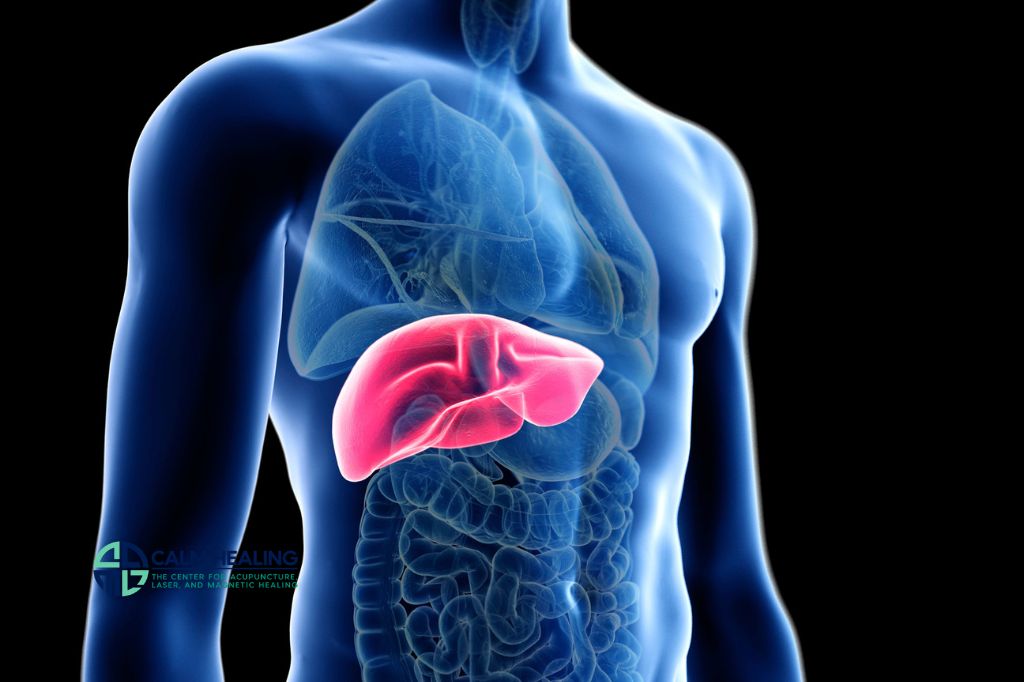
The liver and kidneys play important roles in maintaining overall health. The liver helps process nutrients, medications, and toxins, while the kidneys remove waste and excess fluid from the body and help regulate several important functions.
Traditional Chinese Medicine has long viewed the liver and kidneys as important systems within the body. Acupuncture is one of the traditional approaches used to support overall balance and well-being.
While acupuncture should not replace medical treatment for liver or kidney disease, some people use acupuncture as a complementary approach alongside appropriate medical care.
The Role of the Liver in Overall Health
The liver performs many important functions. It helps process nutrients, supports metabolism, produces important proteins, and helps the body process medications and other substances.
In Traditional Chinese Medicine, the liver and its associated meridian are traditionally connected with the smooth movement of Qi and blood throughout the body. The liver is also associated with emotional well-being and the body’s response to stress.
From a Traditional Chinese Medicine perspective, practitioners may assess patterns involving the liver when developing an individualized acupuncture treatment plan.
Acupuncture is often used as part of a broader approach to relaxation, stress management, and overall wellness.
How Acupuncture May Support Liver Health
Traditional Chinese Medicine practitioners may use acupuncture to support overall balance when a patient is experiencing symptoms or patterns they associate with the liver system.
Treatment may focus on the individual’s symptoms, lifestyle, stress levels, sleep, digestion, and other aspects of their health.
Research into acupuncture and liver-related conditions continues to develop. Acupuncture should be considered complementary care rather than a replacement for diagnosis or treatment provided by a qualified medical professional.
If you have liver disease, abnormal liver tests, gallstones, or another liver-related condition, it is important to continue appropriate medical evaluation and treatment.
Why Kidney Function Matters
The kidneys perform several essential functions in the body.
They help:
• Remove waste products from the blood
• Remove excess fluid through urine
• Help regulate blood pressure
• Support red blood cell production through hormone production
• Help maintain healthy levels of minerals such as calcium
• Support vitamin D metabolism
Kidney problems can range from mild conditions to serious chronic disease. Some kidney conditions may have few or no noticeable symptoms during their early stages.
As kidney disease progresses, symptoms can include swelling, changes in urination, fatigue, nausea, muscle cramps, itching, and changes in appetite.
Anyone experiencing these symptoms should speak with an appropriate healthcare professional for evaluation.
Acupuncture and Kidney Health
Kidney health is another area discussed within Traditional Chinese Medicine.
In Traditional Chinese Medicine theory, the Kidney system has a broader meaning than the kidneys as understood in modern Western medicine. It is traditionally associated with concepts such as vitality, energy, growth, reproduction, and aging.
An acupuncturist may consider the Kidney system when assessing a person’s overall health pattern.
Acupuncture may be used as a complementary wellness approach for certain symptoms, but it should not be presented as a treatment that can reverse or cure chronic kidney disease.
People with chronic kidney disease should continue working with their physician or kidney specialist for appropriate medical care.
Acupuncture, Stress, and Overall Wellness
Stress can affect many aspects of daily life, including sleep, muscle tension, energy levels, and general well-being.
Acupuncture is commonly used by some people as part of a complementary approach to relaxation and stress management.
A treatment session may include an individualized combination of acupuncture points based on the person’s symptoms and overall health history.
The goal is to develop a treatment approach that considers the individual rather than focusing on one symptom alone.
What to Expect From an Acupuncture Consultation
An acupuncture consultation generally begins with a detailed discussion of your health history and current concerns.
Your practitioner may ask about:
• Current symptoms
• Sleep
• Diet and digestion
• Stress levels
• Lifestyle
• Medications and supplements
• Previous health concerns
• Your personal health goals
The practitioner can then determine whether acupuncture may be appropriate as part of a complementary care plan.
Acupuncture Should Complement Medical Care
Acupuncture can be part of a broader approach to health and wellness, but it should not replace conventional medical diagnosis or treatment for liver or kidney disease.
If you have been diagnosed with chronic kidney disease, liver disease, high blood pressure, diabetes, or another significant medical condition, continue following the treatment plan provided by your healthcare provider.
Acupuncture may be considered alongside that care when appropriate.
Final Thoughts
The liver and kidneys are essential to many important functions throughout the body. Traditional Chinese Medicine has its own framework for understanding these systems and their relationship to overall health and balance.
Acupuncture may provide a complementary approach for people interested in supporting relaxation, managing certain symptoms, and improving overall well-being.
If you are considering acupuncture, a consultation can help determine whether it may be an appropriate addition to your individual wellness plan.